


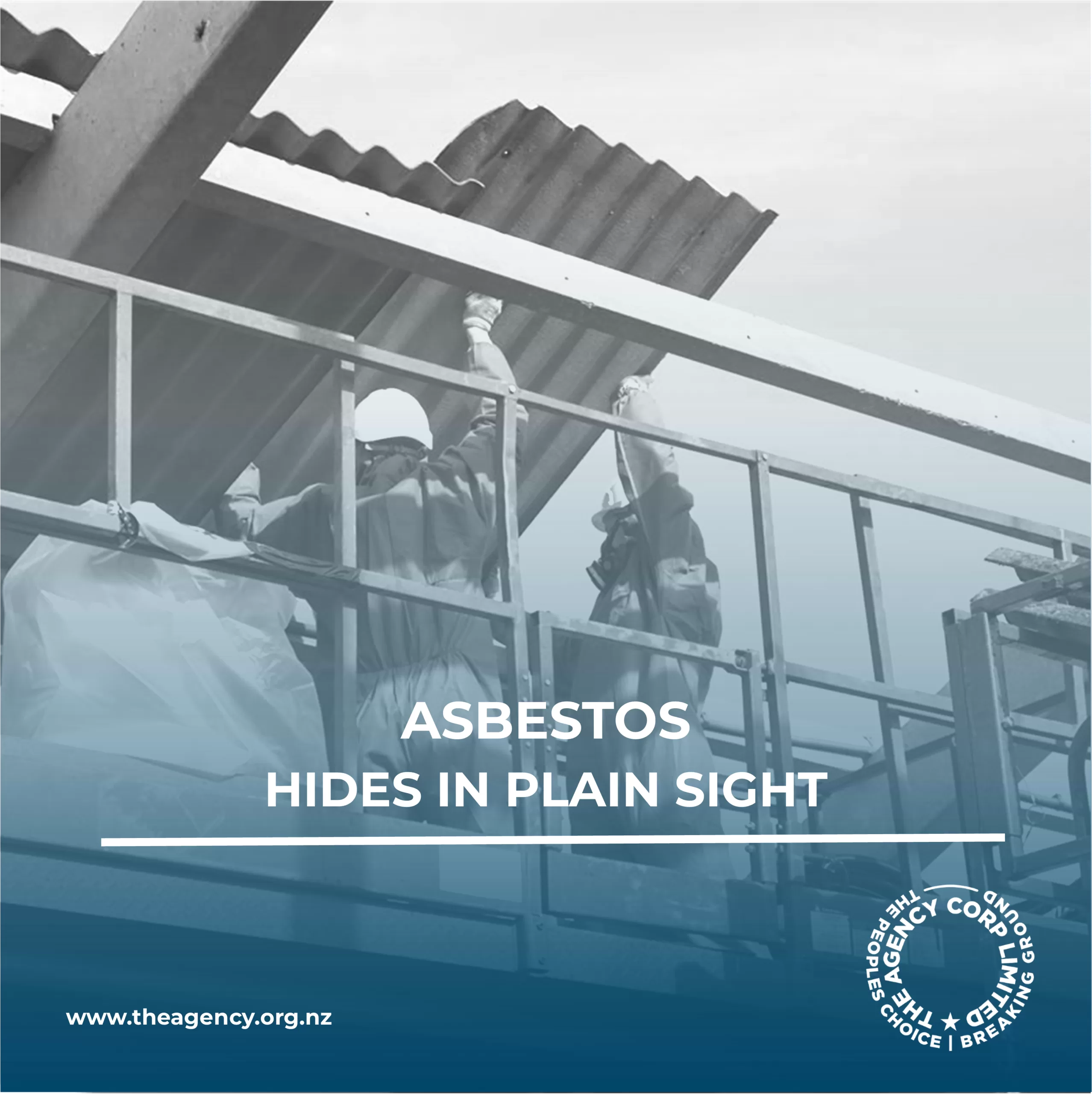
Asbestos management in commercial buildings is essential for protecting occupants, maintaining compliance, and reducing long-term risk. In many cases, asbestos-containing materials (ACMs) remain in older buildings, which means they must be properly managed rather than ignored.
In simple terms, asbestos management is the ongoing process of identifying, assessing, monitoring, and controlling ACMs throughout a building’s lifecycle.
What Is Asbestos Management in Commercial Buildings?
Asbestos management involves establishing a clear system to track and control asbestos risks. Typically, this includes:
- Identification through surveys
- Maintaining an asbestos register
- Conducting risk assessments
- Implementing control measures
- Carrying out regular reviews
Legal Responsibilities for Asbestos Management in Commercial Buildings
In New Zealand, building owners and PCBUs have clear legal duties under the Health and Safety at Work (Asbestos) Regulations 2016.
Specifically, they must identify asbestos risks and ensure they are safely managed.
For official guidance, refer to: https://www.worksafe.govt.nz/topic-and-industry/asbestos/
As a result, failing to meet these obligations can lead to serious legal and safety consequences.
Asbestos Removal vs Management in Place
Importantly, not all asbestos needs to be removed immediately. In many cases, safe management in place is appropriate.
However, removal becomes necessary when:
- ACMs are friable or deteriorating
- Planned works will disturb materials
- Risks cannot be safely controlled
Why Poor Asbestos Records Create Long-Term Risk
Over time, missing or outdated asbestos records create significant risks for building owners, contractors, and occupants.
Accurate records are critical because they:
- Protect future decision-makers
- Support compliance with regulations
- Reduce legal and financial liability
For further guidance, refer to: https://www.mbie.govt.nz/building-and-energy/building/asbestos/
Without proper documentation, even minor works can expose people to unnecessary risk.
How Effective Asbestos Management Reduces Risk
When managed properly, asbestos risks become controlled and predictable rather than uncertain.
Strong asbestos management practices help:
- Prevent accidental disturbance
- Improve planning for maintenance and upgrades
- Provide clarity for contractors before work begins
- Maintain a safe working environment
Ultimately, this approach supports safer buildings and better long-term outcomes.
Protect Your Building with Proper Asbestos Management
In summary, asbestos management in commercial buildings is not optional — it is a legal and practical requirement for responsible ownership.
If you’re unsure about asbestos risks, speaking with experienced professionals is the first step.
Talk to The Agency’s team to ensure your building is compliant, safe, and properly managed.